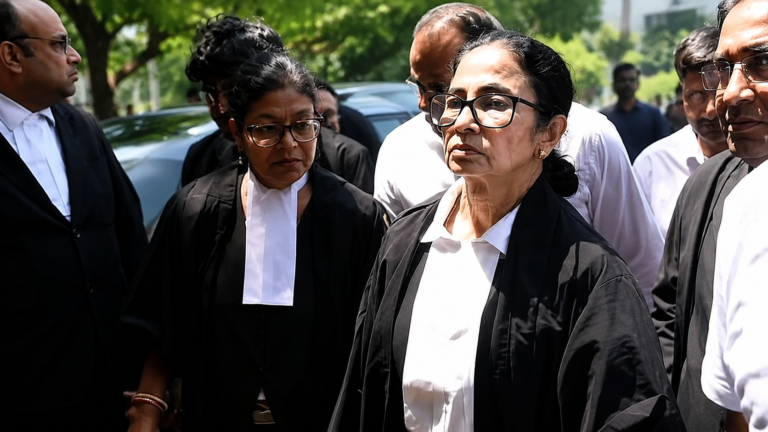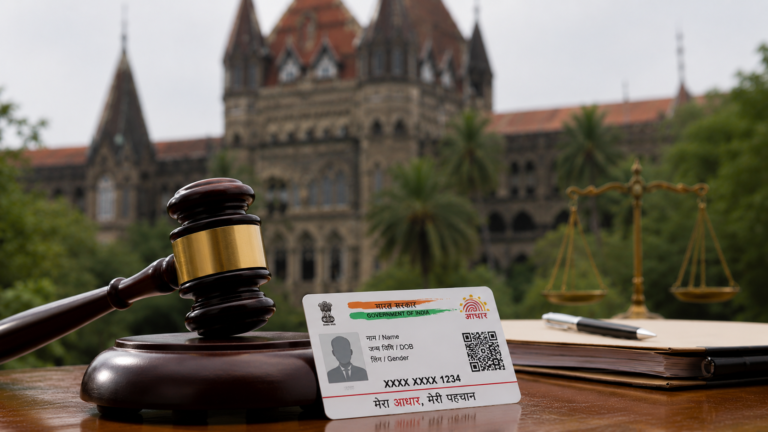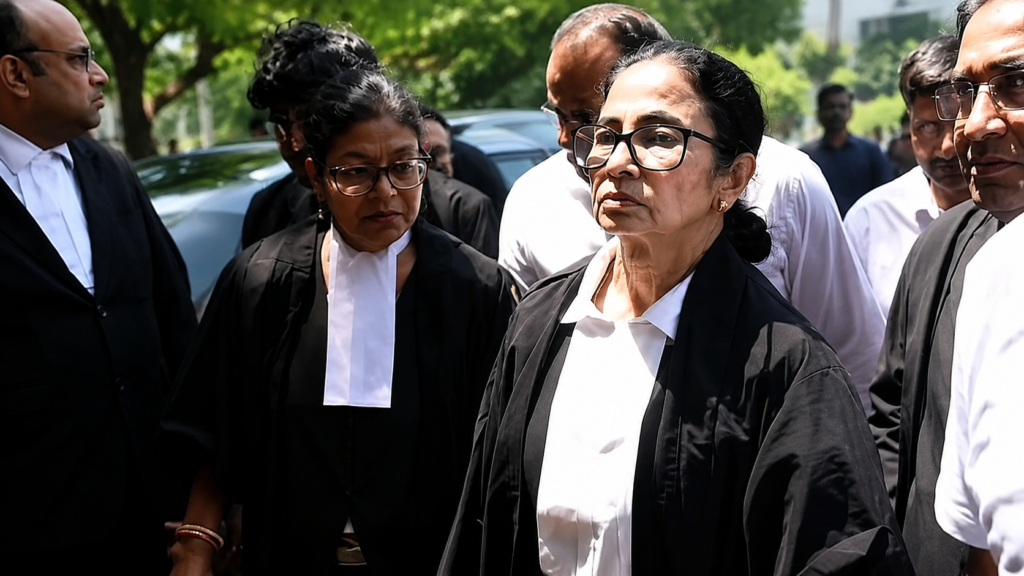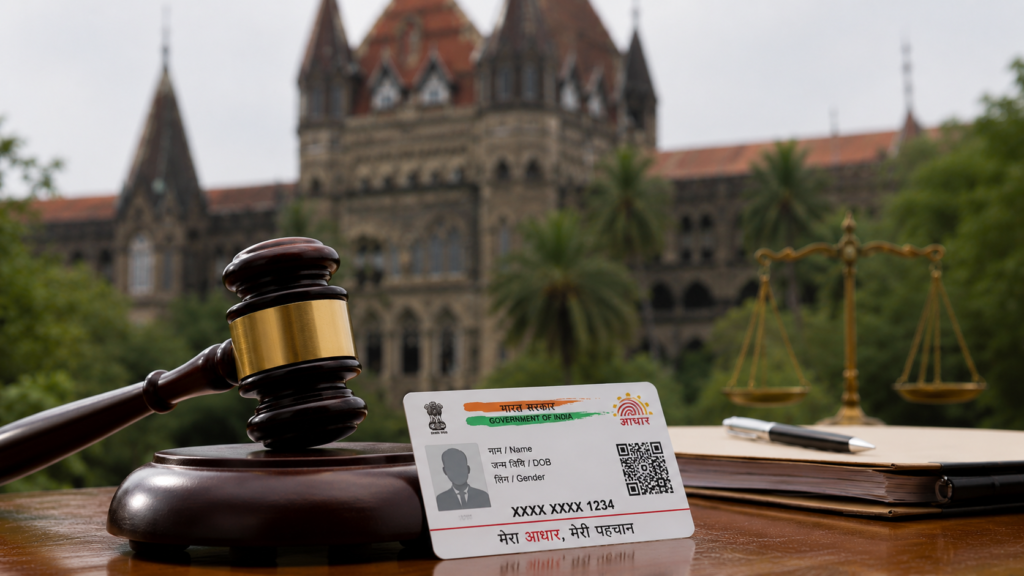

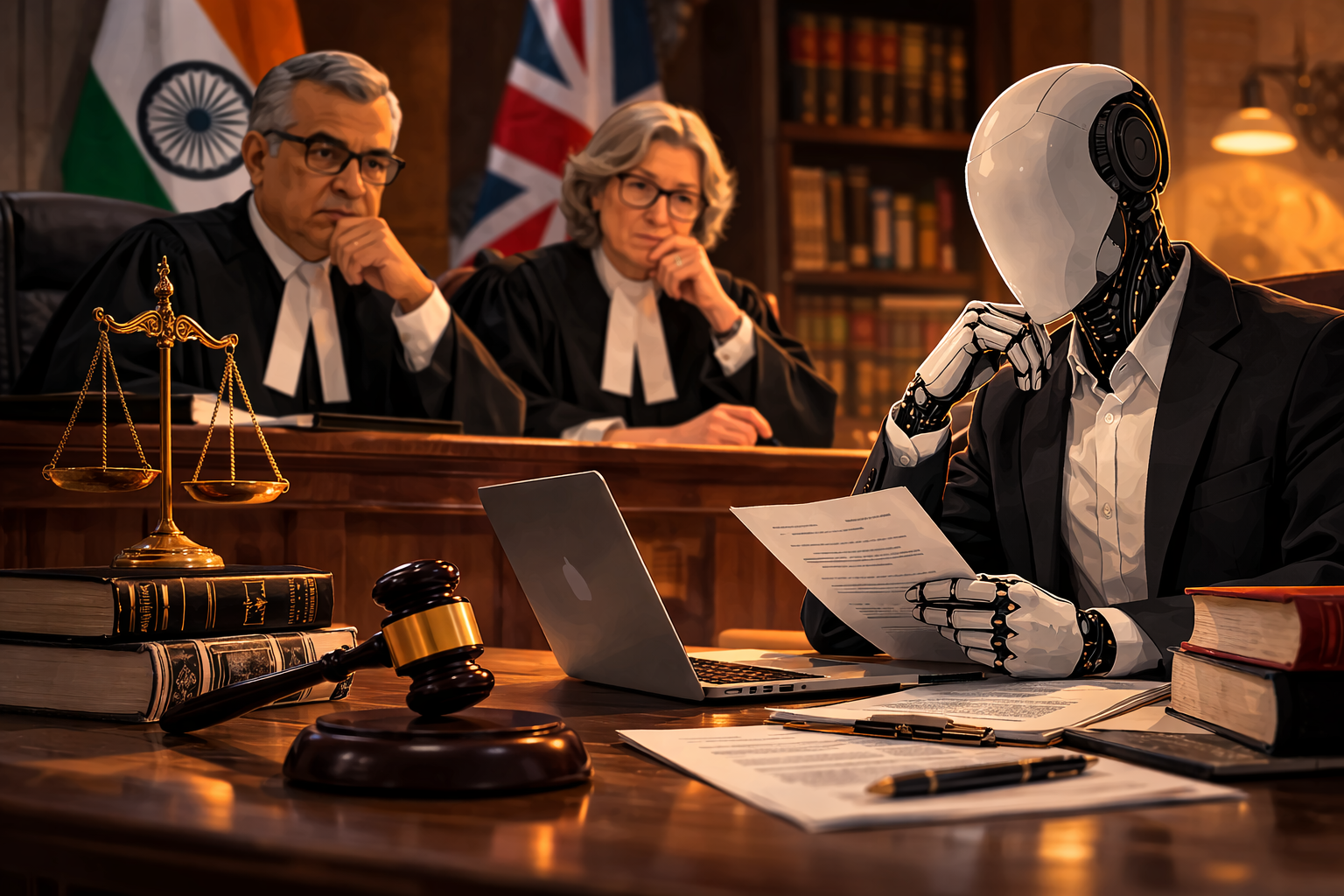
The issue of AI misuse in courts has become a growing concern as lawyers increasingly rely on artificial intelligence tools such as ChatGPT while preparing pleadings and legal arguments. During the India International Disputes Week (IIDW) 2026, judges from India, the United Kingdom and the United States warned legal professionals to exercise caution while using AI tools in litigation.
The panel discussion titled “Judges: Past and Present” took place near Chandigarh’s iconic Open Hand Monument. The judges highlighted that while AI can assist lawyers in legal research and drafting, the responsibility to verify information still lies with the legal professional.
AI Misuse in Courts Can Increase Judicial Workload
Rajasthan High Court Justice Arun Monga stressed the importance of cross-checking AI-generated content with reliable source material. He warned that excessive dependence on AI tools could undermine the role of legal professionals.
“Otherwise, you will become an artificial lawyer. You don’t want to do that.”
Justice Monga also referred to a recent incident where a trial court order reportedly cited AI-generated case laws. The matter has now reached the Supreme Court, which may consider issuing guidelines on the use of artificial intelligence in legal proceedings.
AI Hallucinations Increasing Burden on Courts
Punjab and Haryana High Court Justice Vinod Bhardwaj shared a courtroom experience highlighting the risks of AI hallucinations. In one case, a lawyer referred to a judicial precedent that could not be traced because it did not exist.
According to Justice Bhardwaj, such situations significantly increase the workload of judges and court researchers, who must verify every cited precedent before relying on it.
He also noted that some lawyers misuse hybrid court technology to seek adjournments by citing technical issues instead of presenting arguments.
AI Can Assist but Cannot Replace Judges
Punjab and Haryana High Court Justice Hakesh Manuja acknowledged that artificial intelligence has the potential to improve judicial efficiency. AI tools can help summarize lengthy pleadings, analyze case records, and even predict outcomes in certain legal situations.
However, he emphasized that the judicial system must never hand over the adjudicatory process to AI.
According to him, governments could use predictive legal tools to evaluate the probability of success before filing appeals, which may reduce unnecessary litigation.
International Judges Echo Similar Concerns
Judges from the United Kingdom and the United States also highlighted both the advantages and risks associated with AI in legal practice.
UK First-tier Tribunal Judge Sukhi Gill noted that there have been multiple instances where advocates relied on AI-generated legal material without verifying it against legislation or case law.
Similarly, US judge Manpreet Monica Singh observed that while technology helps streamline judicial administration, courts must ensure that legal accuracy and accountability remain with human professionals.
AI as a Tool, Not a Replacement
Another UK judge, Jinder Singh Boora, said that AI-generated summaries or documents can be useful as long as the underlying source material is accurate and the user verifies the output.
He emphasized that AI can assist the judicial system but must always remain a tool under human supervision.
The Way Forward: Responsible Use of AI in Law
The discussion at IIDW 2026 highlighted a growing consensus within the judiciary: artificial intelligence can significantly improve efficiency in the legal system, but it must be used responsibly.
Lawyers are encouraged to treat AI tools as assistants rather than authorities and ensure that every AI-generated reference, citation, or argument is carefully verified before submission in court.
As courts increasingly encounter cases involving AI-generated legal content, clearer guidelines on the responsible use of technology in legal practice may soon emerge.