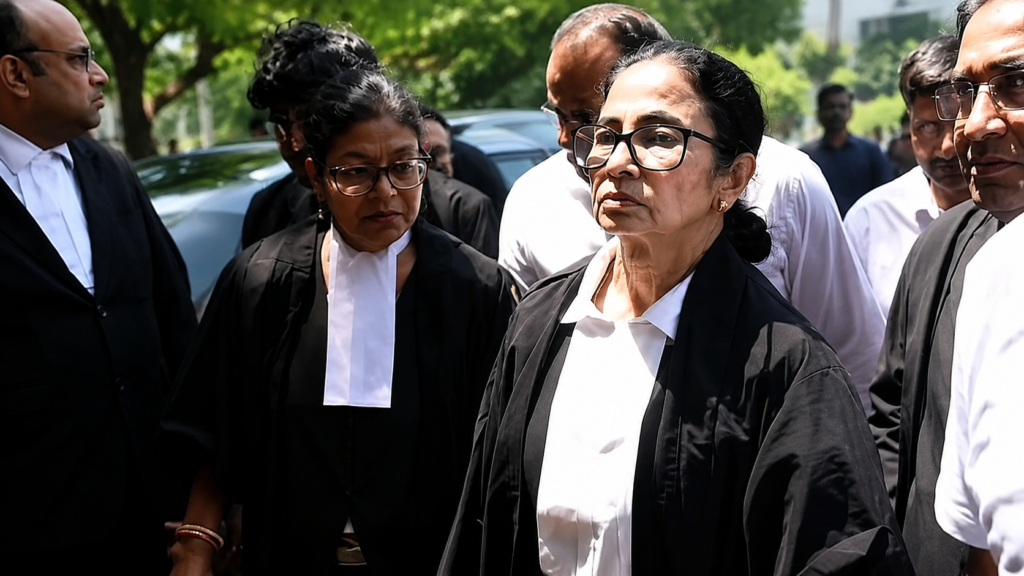

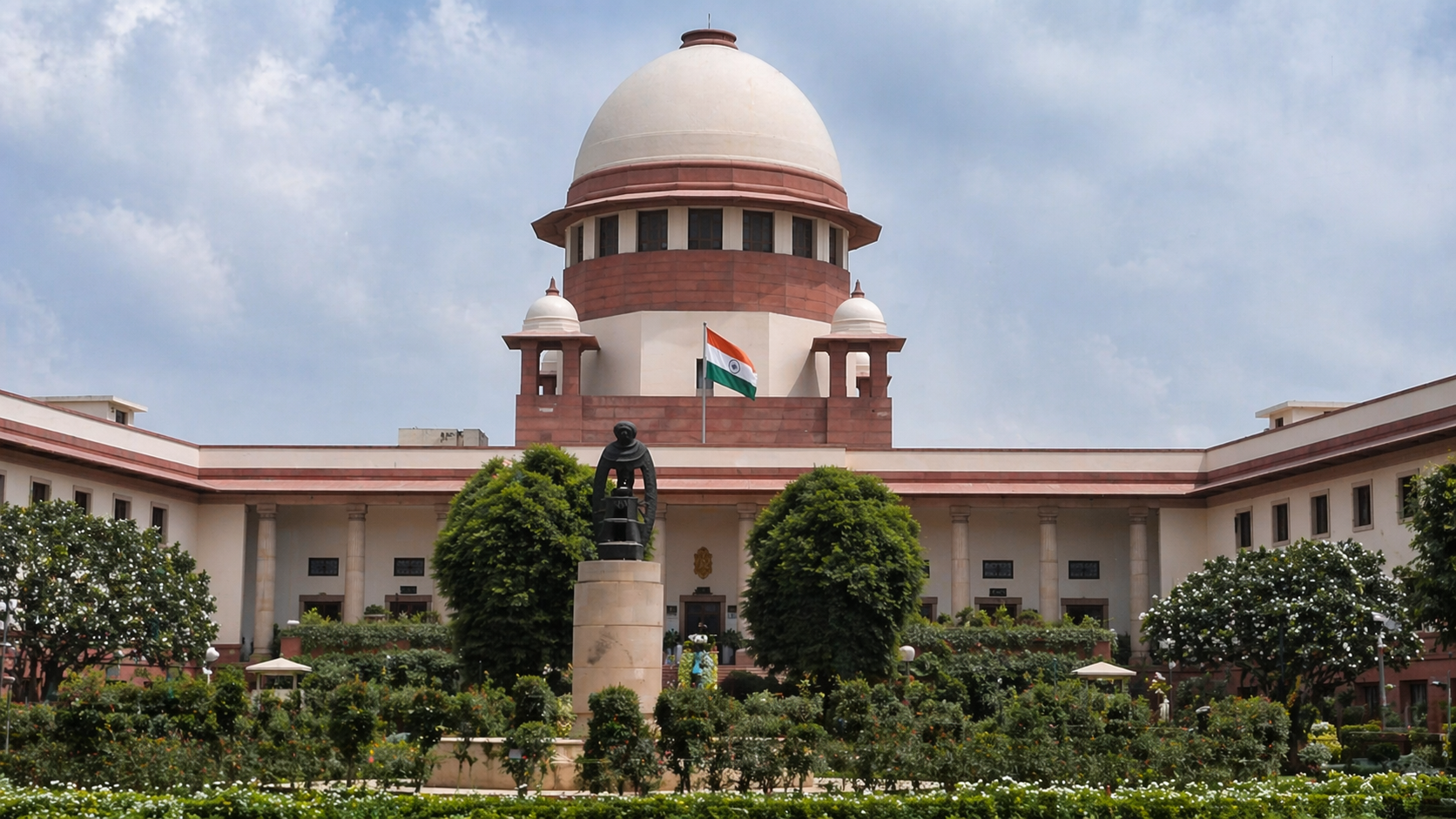
The issue of women representation in bar associations has taken a major constitutional turn after the Supreme Court of India issued a strict warning to ensure 30% representation of women in governing bodies of all bar associations across the country. The Court has stated that failure to comply may lead to suspension and fresh elections.
This direction comes in the case of Deeksha Amrutesh v. State of Karnataka, where the Court is closely monitoring implementation of gender representation reforms in the legal system.
Supreme Court’s Strict Stand on Women Representation in Bar Associations
A Bench led by Chief Justice of India Surya Kant, along with Justices Joymalya Bagchi and Vipul M Pancholi, issued a strong warning regarding compliance with earlier orders.
The Court stated that:
Bar associations failing to ensure proper women representation in bar associations will face judicial suspension and fresh elections.
This move reinforces the Court’s commitment to improving gender balance in legal institutions.he mandate is not optional and must be implemented uniformly across all levels of bar associations in India.
Background of the 30% Women Reservation Mandate
In its earlier order dated March 13, 2026, the Supreme Court directed that:
- At least 30% of office bearers or executive members in all bar associations must be women
- This applies to district, taluka, sub-divisional, and specialised bar associations
- High Courts must ensure compliance within their jurisdiction
The Court noted that while some major bar associations, including those in higher courts, had implemented the mandate, lower-level and regional bar bodies were lagging behind.
Enforcement Mechanism for Women Representation in Bar Associations
To ensure effective implementation, the Court also introduced a fallback mechanism:
- If sufficient women candidates do not contest elections, authorities must still ensure representation
- Earlier, district judges were empowered to nominate women members
- In its April 16 order, the Court modified this process
- Now, nominations will be made by the administrative or portfolio judge of the High Court, in consultation with district judges and senior women members of the Bar
This change was made to streamline enforcement and ensure uniform implementation across states.
Monitoring by High Courts
The Supreme Court has directed the Registrars General of all High Courts to:
- Communicate the order to all bar associations
- Identify associations that are non-compliant or resistant
- Submit detailed compliance reports to the Supreme Court
This ensures a structured monitoring system across the judiciary.
Legal Representation in the Case
The matter saw representation from several senior members of the legal fraternity, including:
- Senior Advocates Nalina Mayegowda, Jayna Kothari, Anindita Pujari, and Lakshmy Iyengar for the petitioners.
- Senior Advocate Guru Krishna Kumar for intervenors.
- Additional Advocate General Aman Panwar along with a team of advocates for the respondents.
Next Hearing
The Supreme Court has scheduled the next hearing in this matter for May 12, 2026, where further compliance updates from High Courts are expected to be reviewed.
Conclusion
The Supreme Court’s latest warning marks a strong judicial push toward inclusive representation of women in the legal profession’s decision-making bodies. By linking compliance with potential suspension and fresh elections, the Court has signaled that gender representation in bar associations is no longer a symbolic directive but a binding constitutional expectation.
This judgment is likely to have a long-term impact on the structure and functioning of bar associations across India, especially at the district and sub-divisional levels.