
Women Representation in Bar Associations: Supreme Court Issues Strict 30% Mandate Warning
Supreme Court mandates 30% women representation in bar associations and warns suspension for non-compliance across India.
Supreme Court on Compulsory Voting: No Penalties for Non-Voters
The Supreme Court rejected a PIL seeking compulsory voting, ruling that electoral participation cannot be enforced through penalties and must remain a voluntary democratic right.
Mutual Divorce Settlement Supreme Court: Parties Cannot Back Out After Mediation
The Supreme Court has held that a spouse cannot withdraw from a mutual divorce settlement reached through mediation, reaffirming the binding nature of such agreements and quashing subsequent proceedings deemed an abuse of law.
Supreme Court Maintenance Order: ₹10,000 Monthly Awarded to Estranged Wife
Supreme Court orders ₹10,000 monthly maintenance to wife, rejecting husband’s claim of earning ₹325 per day due to lack of credibility.
NCERT Textbook Controversy: Blacklisted Experts Move Supreme Court
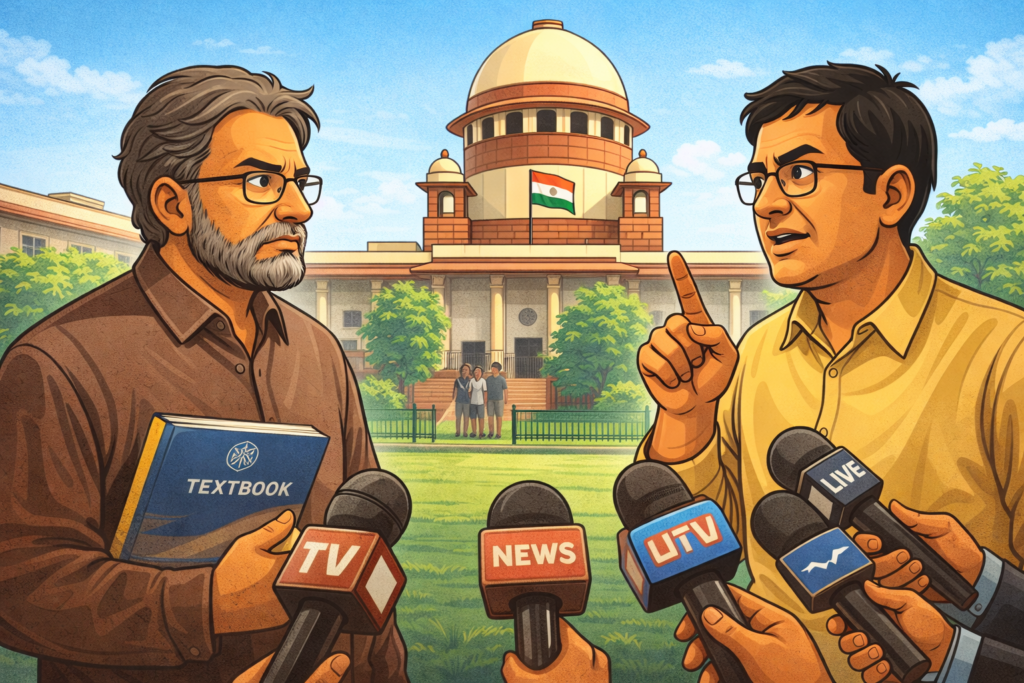
NCERT textbook controversy reaches the Supreme Court as three experts challenge their censure over a judiciary chapter, raising key questions on academic freedom and judicial oversight.
Scheduled Caste Status After Reconversion: Supreme Court Clarifies
The Supreme Court of India clarified that Scheduled Caste status after reconversion can be restored, subject to proof of community acceptance and social conditions.
293 Supreme Court Lawyers Apply for Senior Advocate Designation – Process Explained
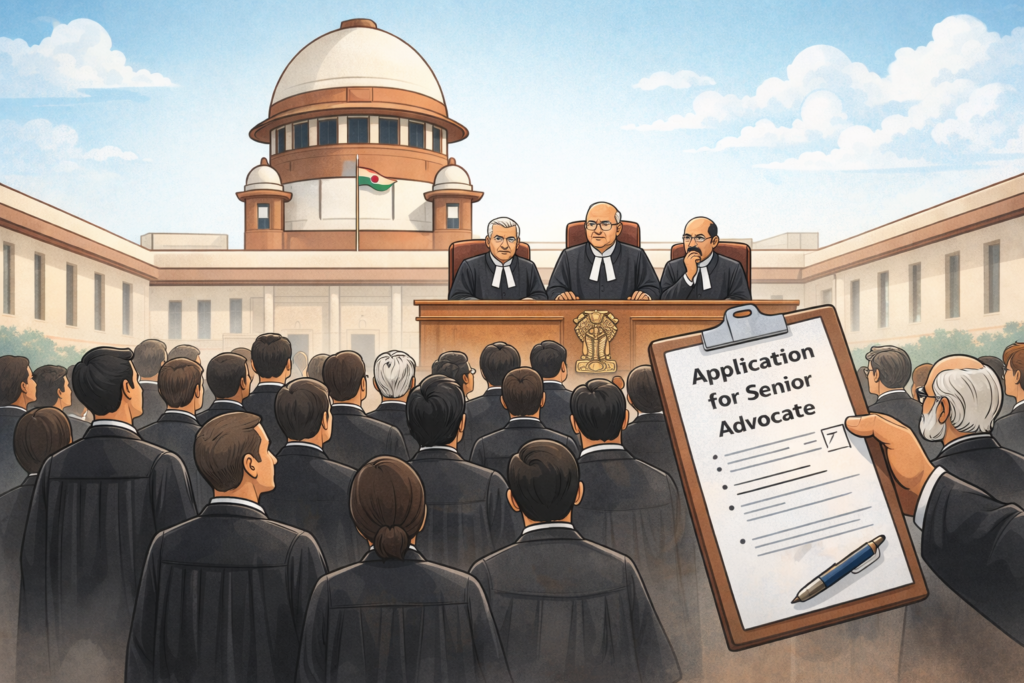
The Supreme Court of India has received 293 applications from advocates seeking Senior Advocate designation following notices issued in February 2026. The Court has invited suggestions from members of the Bar and stakeholders, which will be considered by the Full Court under the Guidelines for Designation of Senior Advocates, 2026.
Supreme Court Allows Passive Euthanasia for Man in Vegetative State Since 2013
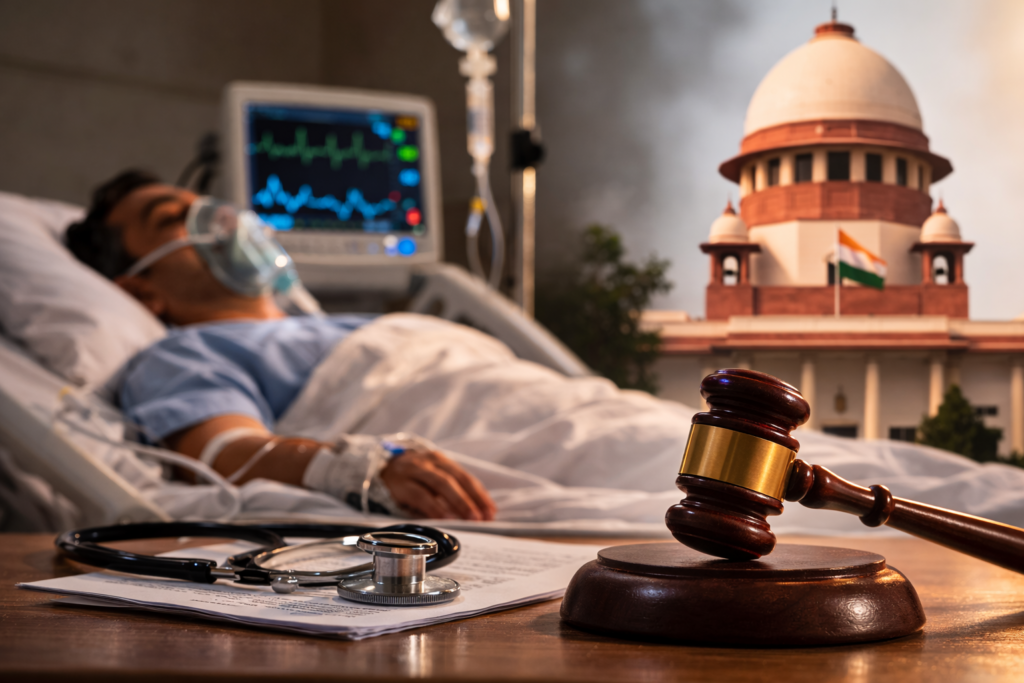
The Supreme Court of India has allowed withdrawal of life support for a man who has remained in a vegetative state since 2013. The decision applies the principles laid down in the landmark Common Cause v. Union of India on passive euthanasia and the right to die with dignity.
Maintenance Income Verification: Supreme Court Questions ₹9,000 Salary Claim
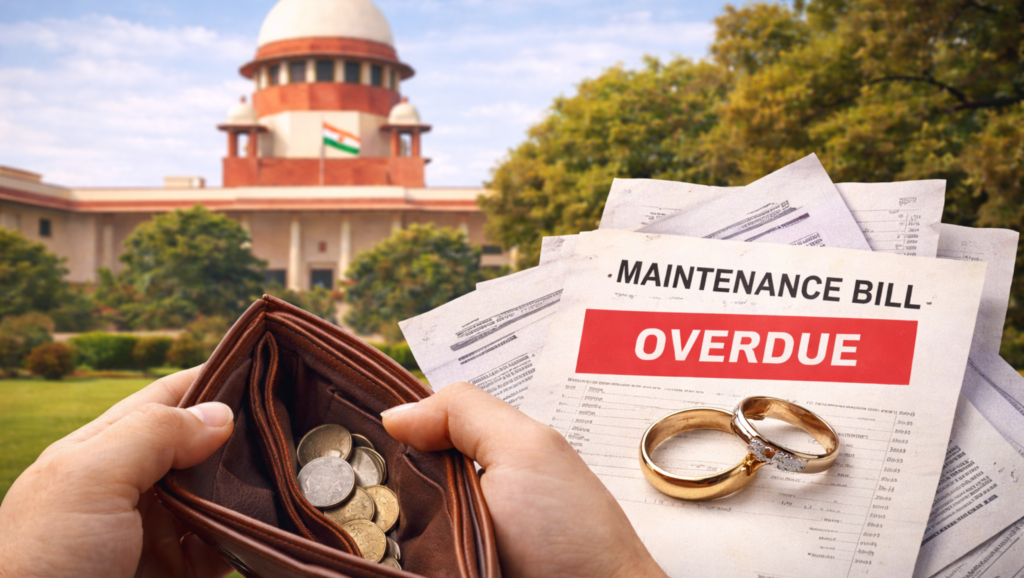
Maintenance income verification took centre stage as the Supreme Court questioned a husband’s claim of earning ₹9,000 per month in a ₹12,000 alimony dispute. The Court indicated it may summon the employer to verify the salary details, reinforcing stricter scrutiny in maintenance cases.
High Court Contempt Jurisdiction Clarified by Supreme Court
The Supreme Court Collegium has introduced a new policy allowing judges set to become Chief Justices of High Courts to be transferred in advance of upcoming vacancies. The move aims to ensure smoother leadership transitions, administrative continuity, and uninterrupted judicial functioning.