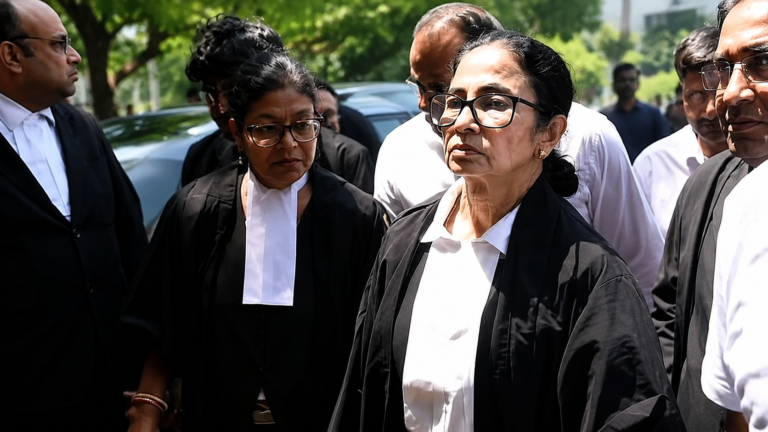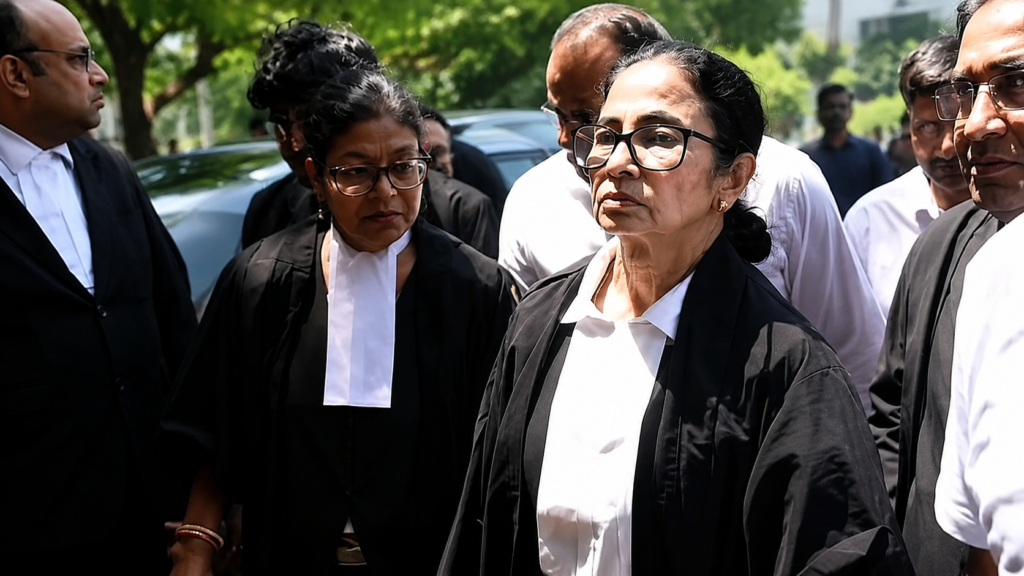

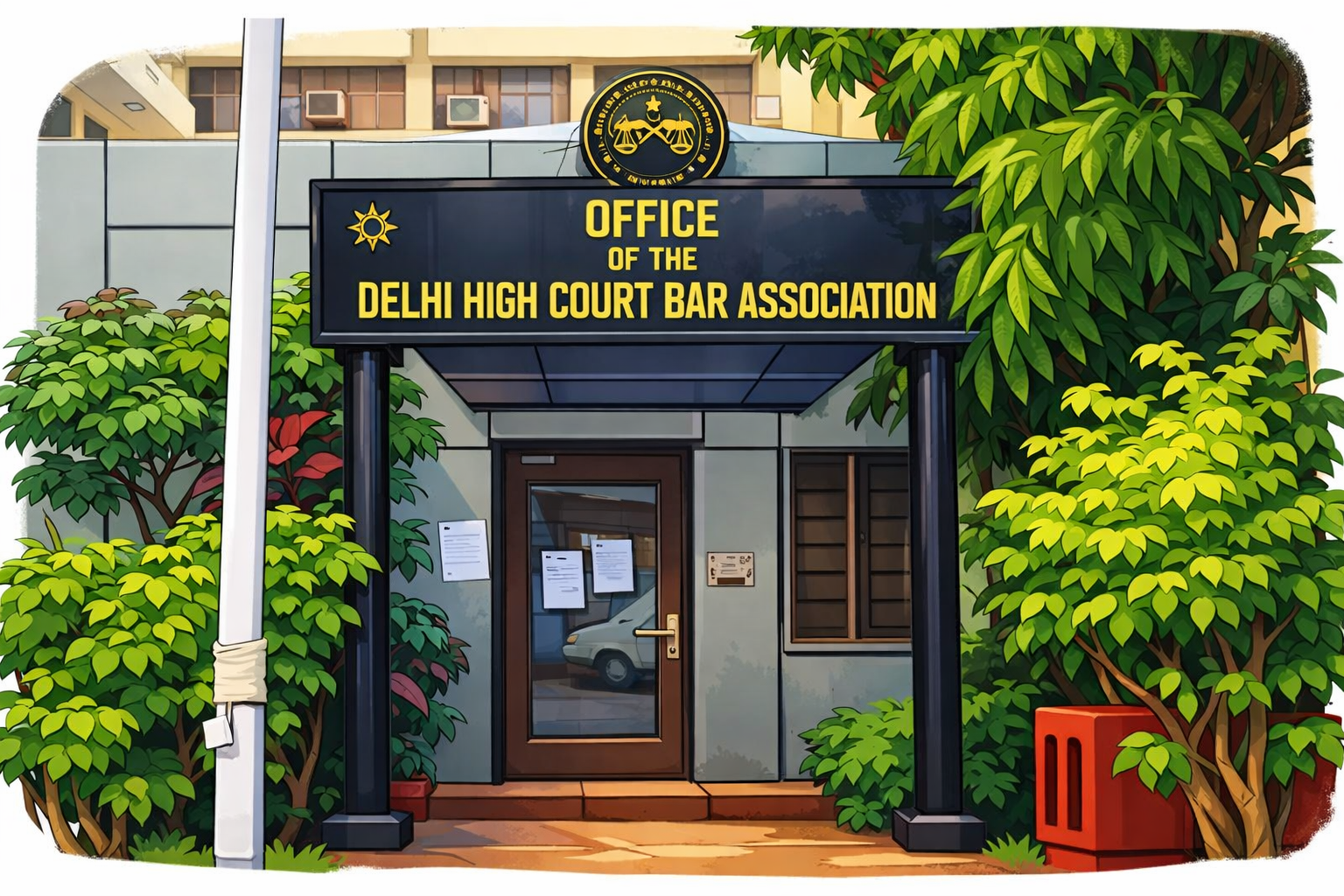
The Delhi HC Saturday sittings boycott has intensified as the Delhi High Court Bar Association (DHCBA) resolved to abstain from work on the first and third Saturdays of every month, opposing the decision of the Delhi High Court to designate these days as regular court sitting days.
Background of the Delhi HC Saturday Sittings Boycott
In January 2026, the Delhi High Court issued a notification making the first and third Saturdays working days, marking a shift from the earlier practice where Saturdays were generally holidays. The move was aimed at improving case disposal and reducing pendency.
However, the Bar has consistently opposed this change, arguing that it was introduced without adequate consultation and creates significant logistical challenges for practicing lawyers.
Concerns Behind the Delhi HC Saturday Sittings Boycott
The DHCBA highlighted several practical difficulties faced by advocates due to Saturday sittings:
- Disruption of appearances before tribunals, arbitrations, and courts outside Delhi
- Reduced time for case preparation and client consultations
- Adverse impact on overall professional efficiency and work–life balance
The Association emphasized that such changes affect not just lawyers, but also court staff and litigants, making the current arrangement difficult to sustain.
Boycott Plan and Interim Measures
To implement its decision, the DHCBA has called upon its members to abstain from work on the designated Saturdays starting April 4. At the same time, proxy counsel will be arranged to ensure that urgent matters are not adversely affected.
The Bar has reiterated its request for the High Court to reconsider the policy, expressing hope that the concerns of the legal community will be given due weight.
Wider Debate: Efficiency vs Practicality
The issue reflects a broader debate within the legal system, whether increasing court working days is the most effective way to tackle case backlog. Many within the legal fraternity believe that structural reforms, such as increasing judicial strength and filling vacancies, may be more impactful than extending working days.
Conclusion
The standoff between the Bar and the Bench highlights the need for balanced decision-making that considers both judicial efficiency and ground-level realities. While the goal of reducing pendency is critical, collaboration with stakeholders like the Bar remains equally important to ensure smooth functioning of the justice system.
Conclusion
The intervention by the Allahabad High Court highlights the urgent need for accountability in tribunals handling compensation claims. Justice delayed in such cases is not merely procedural-it directly impacts the survival and dignity of victims.
The case serves as a reminder that legal systems must prioritize efficiency, fairness, and compassion in delivering justice.