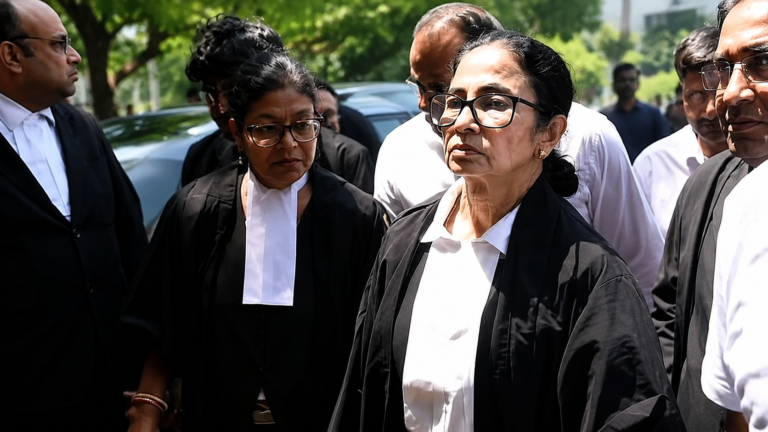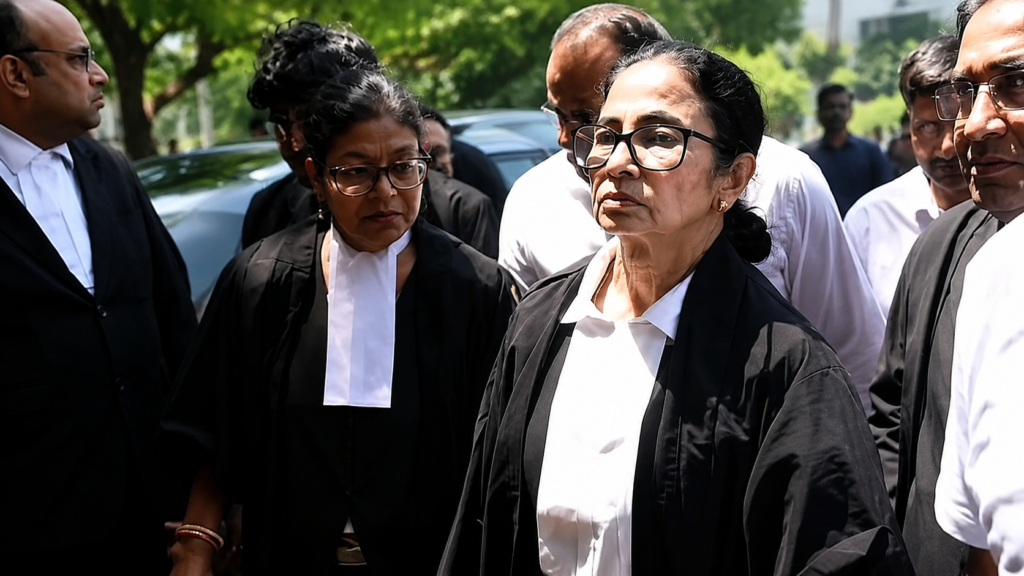


The High Court Chief Justice early transfer policy has been formally introduced by the Supreme Court Collegium to ensure smoother leadership transitions in High Courts across India.
Under this new High Court Chief Justice early transfer policy, judges who are in line to become Chief Justices may be transferred to the concerned High Court about two months before the vacancy officially arises.
The move aims to enhance administrative continuity and improve the quality of justice delivery.
What Is the High Court Chief Justice Early Transfer Policy?
As per the decision taken by the Supreme Court of India Collegium at its meeting held on February 26, 2026, a judge recommended to take over as Chief Justice of another High Court may be transferred approximately two months before the post officially becomes vacant.
The objective behind this move is clear — to allow the incoming Chief Justice to:
- Become familiar with the High Court’s administrative functioning
- Understand case management systems
- Coordinate with registry officials
- Ensure seamless transition after the incumbent retires
The Collegium note states:
“So that such recommendee in the meantime becomes well conversant with the affairs of that High Court and assumes charge of the office of Chief Justice.”
Why This Policy Matters
Traditionally, Chief Justices assume office immediately upon vacancy, often requiring time to understand local administrative structures. This sometimes leads to short transitional disruptions.
The new policy seeks to:
- Avoid administrative gaps
- Ensure continuity in judicial governance
- Improve efficiency in justice delivery
- Enhance institutional stability
By enabling advance familiarization, the Collegium aims to improve both administrative efficiency and quality of judicial functioning.
First Recommendation Under the New Policy
Acting in accordance with this newly adopted policy, the Supreme Court Collegium has recommended the transfer of Lisa Gill from the High Court of Punjab and Haryana to the High Court of Andhra Pradesh.
If approved by the Central Government:
- Justice Lisa Gill will initially be appointed as a puisne judge in the Andhra Pradesh High Court.
- She is expected to take over as Chief Justice approximately two months later, on April 25.
This marks the first practical implementation of the Collegium’s new transfer policy.
Broader Impact on Judicial Appointments
Justice Shankar held:
The move reflects a more structured approach to judicial appointments and leadership planning. It demonstrates the Collegium’s focus on:
- Institutional preparedness
- Administrative efficiency
- Strengthening High Court governance
By introducing early transfers, the Collegium is attempting to create a smoother succession mechanism within the judiciary.
Conclusion
The Supreme Court Collegium’s early transfer policy represents a proactive administrative reform in India’s judicial system. By ensuring that incoming Chief Justices are well acquainted with their respective High Courts before formally assuming charge, the policy aims to enhance continuity, efficiency, and quality of justice delivery.
This development may significantly influence how judicial leadership transitions are handled in the future across Indian High Courts.