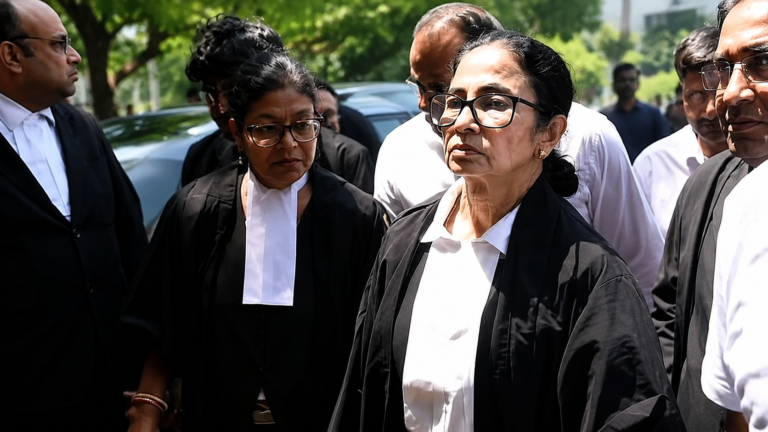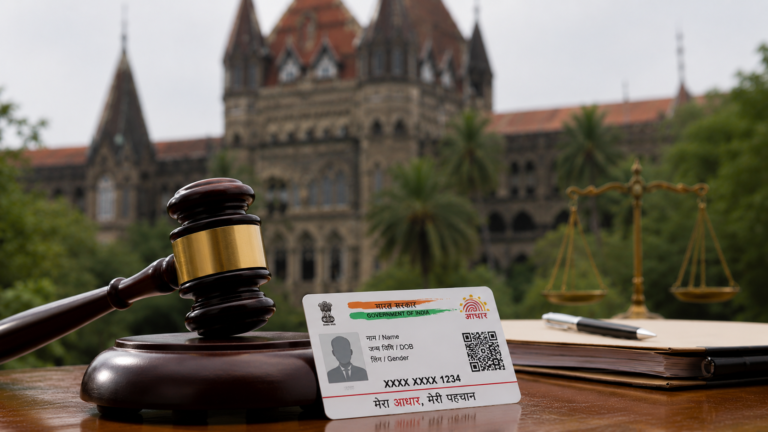


The MACT compensation delay case has drawn serious attention after the Allahabad High Court questioned the prolonged delay in releasing compensation to a widow, highlighting major concerns in the functioning of the Motor Accident Claims Tribunal.
MACT Compensation Delay Case: Background
The matter arose from a tragic road accident in 2007, after which the MACT awarded compensation of ₹7.12 lakh to the widow under the Motor Vehicles Act, 1988.
Although the insurance company initially challenged the award, the appeal was later withdrawn in 2019. Subsequently, a Lok Adalat directed that the compensation be released within 60 days.
Despite this, the widow has still not received the amount-even after six years since the Lok Adalat order.
Why the MACT Compensation Delay Case Matters?
The MACT compensation delay case exposes how procedural issues, like disputes between lawyers, can delay justice for victims.
The Tribunal had withheld payment due to a dispute between the petitioner’s former and current counsel.
Court’s Observations in MACT Compensation Delay Case
Justice Jaspreet Singh strongly questioned this approach and observed:
- The Tribunal had no clear legal authority to withhold compensation on such grounds
- Involvement in disputes between lawyers was unwarranted and unacceptable
- The situation reflects a serious failure of justice delivery
The Court termed the situation “alarming” and directed the Presiding Officer of MACT, Sultanpur to explain the legal basis for the delay.
Legal Impact of MACT Compensation Delay Case
This ruling is important because it:
- Reinforces that tribunals must act within legal authority
- Emphasizes timely disbursal of compensation in accident claims
- Highlights the judiciary’s concern over procedural delays harming victims
- Sends a strong message against administrative overreach
Impact on Victims
Motor accident compensation is meant to provide timely financial relief to victims and their families. Delays of this nature defeat the very purpose of the law.
The Court noted that such cases reflect a “very unhappy situation”, especially when a widow is forced to wait decades for rightful compensation.
Conclusion
The intervention by the Allahabad High Court highlights the urgent need for accountability in tribunals handling compensation claims. Justice delayed in such cases is not merely procedural-it directly impacts the survival and dignity of victims.
The case serves as a reminder that legal systems must prioritize efficiency, fairness, and compassion in delivering justice.