


IPO readiness advisory guides companies through the complex process of preparing for an Initial Public Offering (IPO), ensuring compliance, financial robustness, and market appeal. This preparation typically spans 6-12 months and involves multidisciplinary teams to bridge gaps in governance, operations, and reporting.
Understanding IPO Readiness
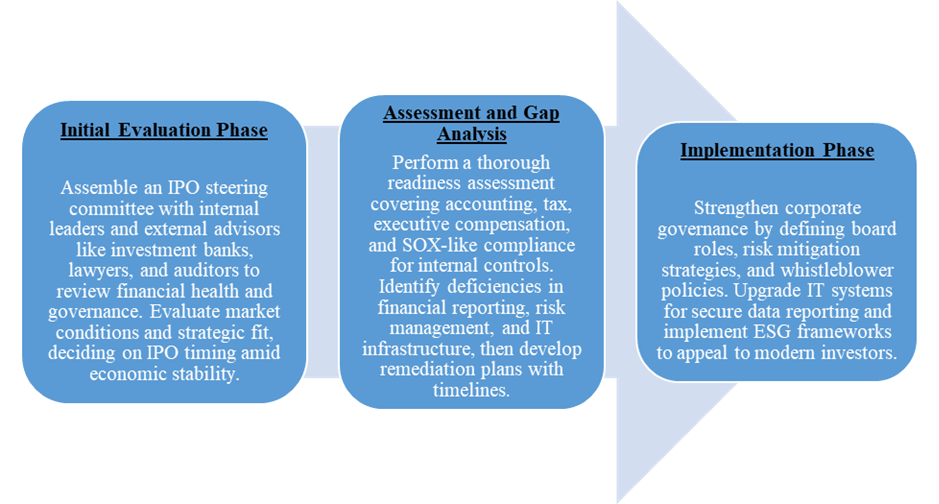
IPO readiness assesses a company’s ability to transition from private to public status, scrutinizing financials, controls, and structures against regulatory standards like SEBI in India or SEC in the US. Companies conduct initial evaluations to identify gaps in areas such as audited financials, internal controls, and IT systems, often starting with a comprehensive questionnaire or diagnostic review. This phase sets a roadmap, prioritizing remediation to avoid delays during the actual IPO filing.
Key Phases of Preparation
Preparation unfolds in distinct phases, from initial evaluation to execution readiness.
Financial and Compliance Essentials
Financial preparation forms the core of IPO readiness, demanding audited statements for at least three years and robust internal controls.
Companies must prepare prospectus-ready financials, including business plans, financial modelling, and valuations aligned with investor expectations. Tax compliance reviews ensure post-IPO processes, while risk assessments detail vulnerabilities and mitigation tactics for transparency.
| AREA | KEY REQUIREMENTS | COMMON GAPS ADDRESSED |
| Audited Financials | 3-year statements, iXBRL tagging | Inconsistent reporting standards |
| Internal Controls | AML, whistleblowing, audits | Weak monitoring mechanisms |
| Tax & Valuation | Compliance review, investor-aligned models | Hidden liabilities |
| IT Systems | Secure reporting, data security | Outdated infrastructure |
Advisors facilitate due diligence libraries and EDGAR/SEBI filings to streamline this.
Building the Right Team and Governance
Success hinges on a cross-functional team including CFO advisors, underwriters, and IR specialists. Engage experienced IPO firms for their track record, industry expertise, and networks to handle roadshows and investor pitches. Establish investor relations early, crafting equity stories and proxy communications.
Governance upgrades include board composition for independence, clear risk oversight procedures, and code of conduct enforcement. Pre-IPO, define change approval processes and ensure documentation supports director decisions on risks.
- Select lead underwriters and legal counsel with IPO experience.
- Form working groups for drafting registration statements.
- Train management on public disclosures and quarterly reporting.
Operational and IT Readiness
Operational scalability is critical; assess supply chains, HR policies, and processes for public scrutiny. IT evaluations focus on financial reporting systems, cybersecurity, and scalability for real-time disclosures.
Implement project management standards like timelines and milestones to track progress. ESG integration enhances appeal, covering environmental impacts, social responsibilities, and governance metrics.
Marketing and Roadshow Strategies
Marketing and roadshow strategies form a critical phase in IPO readiness, where companies craft narratives to attract investors and secure commitments. These efforts build hype, validate valuations, and ensure strong subscription rates through targeted outreach.
- Developing the Equity Story- Companies create a compelling narrative highlighting growth potential, market position, and competitive edges via pitch decks and teasers. Advisors refine financial models, projections, and visuals to resonate with institutional investors during pre-roadshow meetings. This story aligns with prospectus disclosures, ensuring consistency and credibility.
- Roadshow Planning and Execution- Roadshows span 10-20 days across key cities like Mumbai, New York, or London, involving 50-100 investor meetings. Management teams rehearse Q&A sessions, addressing risks, strategies, and KPIs to build confidence. Virtual formats supplement in-person events for broader reach, especially in volatile markets.
| Element | Best Practices | Goals |
| Duration & Locations | 2 weeks, 5-10 cities | Maximize institutional commitments |
| Team Composition | CEO, CFO, IR lead | Deliver polished, authentic presentations |
| Materials | Deck (20-30 slides), | Simplify complex data for quick impact |
- Investor Targeting and Feedback- Prioritize high-conviction investors like mutual funds and FIIs through CRM tools and advisor networks. Real-time feedback loops adjust pricing and allocation, targeting oversubscription. In India, focus on QIBs (Qualified Institutional Buyers) for BSE/NSE listings.
- Digital and Pre-Marketing Tactics- Leverage webinars, social media teasers, and analyst briefings pre-roadshow to generate buzz. Data analytics track engagement, refining messaging for diverse audiences. Post-roadshow, finalize pricing via book-building to reflect demand.
- Measuring Success- Track metrics like order books, subscription multiples, and grey market premiums to gauge effectiveness. Strong strategies often yield 20-50% premium listings, minimizing discounts. Advisors ensure compliance with SEBI roadshow guidelines for transparency.
Risk Management and Common Pitfalls
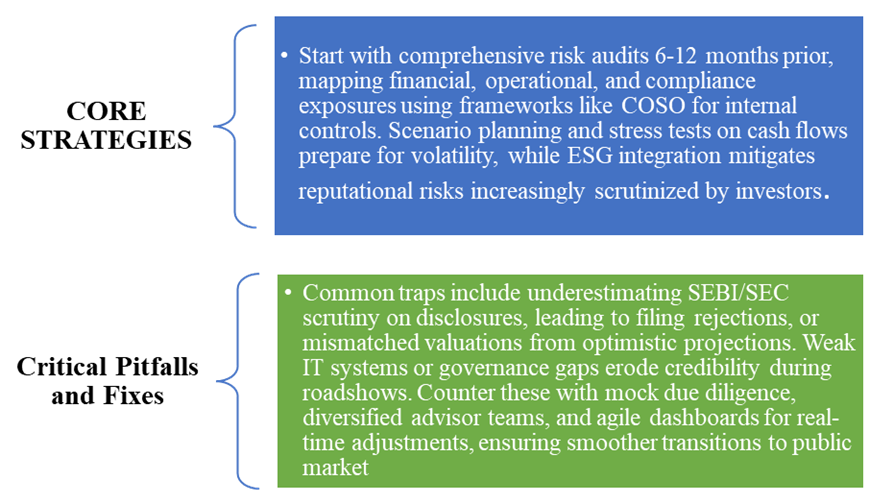
Risk management in IPO readiness demands proactive strategies to navigate regulatory hurdles, market fluctuations, and internal weaknesses, turning potential threats into opportunities for stronger listings. By addressing these early, companies avoid costly delays, enhance investor trust, and secure better valuations.
Post-IPO Transition Planning
Post-IPO transition planning is the bridge between a successful listing and long-term stability. Once the IPO dust settles, companies must shift from founder-led agility to a disciplined, compliance-driven structure. This phase focuses on strengthening governance, upgrading internal controls, meeting continuous disclosure requirements, and managing heightened scrutiny from regulators and investors. Clear role definitions, robust financial reporting systems, and proactive stakeholder communication become critical. At the same time, leadership must balance market expectations with business growth and culture. A well-planned post-IPO transition helps companies protect credibility, avoid regulatory missteps, and build sustained investor confidence in the public market.
Benefits of Professional Advisory
Professional advisory services streamline the IPO process, reducing risks and accelerating timelines for companies aiming to go public. These experts provide specialized guidance that enhances compliance, valuation accuracy, and investor appeal.
- Strategic Planning: Advisors develop comprehensive IPO roadmaps, assessing market timing and company readiness to maximize valuation and minimize delays. They align financial reporting, technology needs, and risk strategies with regulatory demands like SEBI or SEC standards. This structured approach prevents resource wastage and focuses management on core operations.
- Compliance and Risk Reduction: Experts ensure adherence to complex regulations, conducting gap analyses to fix deficiencies in accounting, internal controls, and disclosures early. They mitigate legal pitfalls through due diligence and SOX-like compliance, avoiding costly penalties or filing rejections. Proactive risk assessments safeguard against market volatility and operational surprises.
- Financial Optimization: IPO advisors handle valuations, pricing strategies, and financial modelling to attract investors with realistic projections. They optimize capital structures and post-IPO planning, boosting long-term financial health and growth opportunities. Accurate structuring leads to higher proceeds and stronger market debuts.
- Operational Efficiency: Services include building capable teams, upgrading systems for reporting, and organizing roadshows for effective investor outreach. Advisors cut overheads by implementing efficient processes, allowing companies to maintain business momentum during preparation. This efficiency often shortens the 6-12 month readiness phase.
Enhanced Investor Relations: Professionals craft compelling equity stories and facilitate communications, fostering trust with shareholders and analysts. Post-IPO support sustains compliance and engagement, supporting sustained stock performance.