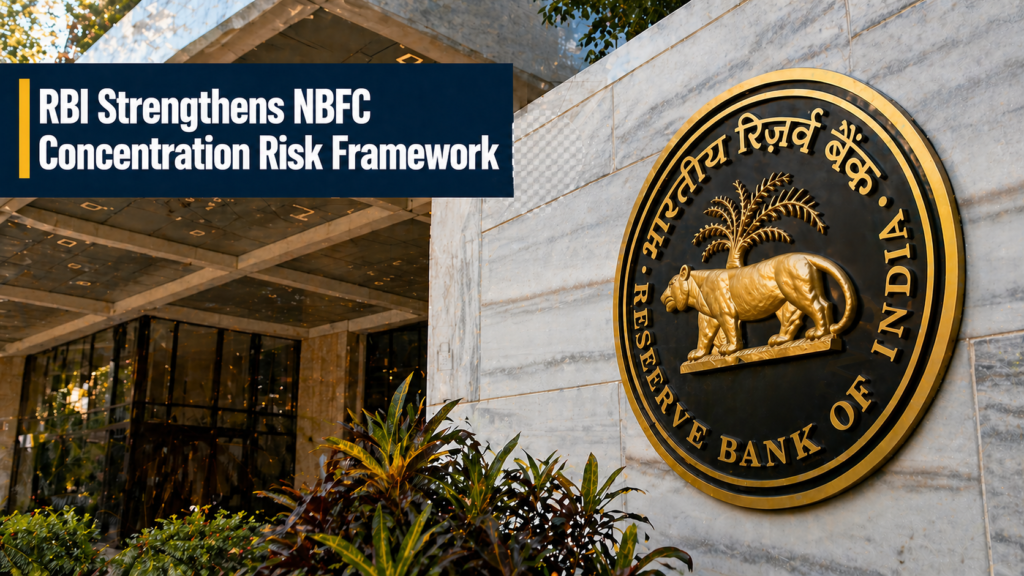


Non-Banking Financial Companies (NBFCs) play a specialized and distinct role in the financial ecosystem. Unlike standard commercial organizations, NBFCs operate with high complexity and broad business risks that require specialized oversight. To safeguard the interests of stakeholders and ensure transparency, the Reserve Bank of India (RBI) has mandated a robust governance structure centred around specialized Board Committees.
1. The Critical Need for Board Committees
The need for specialized committees arises from the inherent nature of NBFC operations. Historically, these institutions have faced challenges regarding transparency, making it difficult for creditors and shareholders to monitor daily operations effectively. Improper risk management in a financial institution can have far-reaching repercussions.
By establishing committees, an NBFC ensures:
- Specialized Oversight: Delegating specific tasks to members with relevant expertise.
- Enhanced Transparency: Bridging the information gap between management and stakeholders.
- Risk Mitigation: Identifying and addressing operational and market risks before they escalate.
- Regulatory Compliance: Adhering to dual oversight from the RBI and the Ministry of Corporate Affairs.
2. The Three Fundamental Committees
While the Board of Directors remains the ultimate authority, the RBI directions mandate three primary committees to manage core institutional functions:
- Audit Committee: Focused on financial integrity and internal controls.
- Nomination and Remuneration Committee (NRC): Dedicated to leadership quality and the “fit and proper” status of directors.
- Risk Management Committee: Responsible for identifying and mitigating integrated risks.
3. The Audit Committee: Ensuring Financial Integrity
3.1 Purpose and Objective
The Audit Committee is a key pillar of the corporate governance framework of an NBFC. Its primary objective is to ensure financial integrity, transparency, and effectiveness of internal control systems, while safeguarding the interests of stakeholders.
3.2 Legal and Regulatory Basis
The Audit Committee is constituted in accordance with Section 177 of the Companies Act, 2013, and Reserve Bank of India (Non-Banking Financial Companies – Governance) Directions, 2025.
3.3 Constitution and Leadership
- Composition: It must consist of not less than three members from the Board of Directors.
- Person in Charge: The majority of the members, including the Chairperson, shall be financially literate and capable of reading and understanding financial statements.
- Authority: The committee has the power to investigate any matter within its written scope and can seek professional advice from external sources.
3.4 Powers and Authority
The Audit Committee shall:
- Operate under written terms of reference approved by the Board.
- Have the authority to investigate any matter within its scope.
- Seek professional advice from external experts where required.
- Have full access to company records, auditors, and management.
3.5 Roles and Responsibilities
The key responsibilities of the Audit Committee include:
- Recommending the appointment, remuneration, and terms of statutory auditors.
- Reviewing and monitoring auditor independence, performance, and audit quality.
- Examining financial statements and auditors’ reports before submission to the Board.
- Reviewing internal control systems, audit scope, and significant audit observations.
- Approving or modifying related party transactions, where applicable.
3.6 Information System Audit and Vigil Mechanism
- The Committee shall ensure that Information System Audits of internal systems and processes are conducted at prescribed intervals to assess operational and technology risks.
- It shall also oversee the establishment of a vigil (whistleblower) mechanism providing safeguards against victimisation and direct access to the Chairperson of the Audit Committee in appropriate cases.
4. Nomination and Remuneration Committee (NRC): The “Fit and Proper” Filter
4.1 Purpose and Objective
The Nomination and Remuneration Committee is responsible for ensuring that the leadership and management of the NBFC meet the highest standards of competence, integrity, and accountability, with particular emphasis on the “fit and proper” criteria.
4.2 Legal and Regulatory Basis
The NRC is constituted under: Section 178 of the Companies Act, 2013, and Reserve Bank of India (Non-Banking Financial Companies – Governance) Directions, 2025.
4.3 Composition
- The Committee shall consist of at least three Non-Executive Directors.
- At least half of the members shall be Independent Directors.
- The Committee shall function as per quorum and meeting requirements laid down by law.
4.4 “Fit and Proper” Criteria
A core function of the NRC is to ensure that proposed and existing directors satisfy the RBI-prescribed fit and proper standards, ensuring that the management of the NBFC is not prejudicial to the interests of depositors or stakeholders.
4.5 Key Functions
The NRC shall:
- Identify and recommend persons qualified to become directors or senior management.
- Establish policies for determining qualifications, integrity, expertise, and experience of directors.
- Carry out ongoing due diligence and establish policies for determining director qualifications at the time of appointment and on an ongoing basis.
- Oversee the collection of declarations, undertakings, and Deeds of Covenant from directors.
- Recommend remuneration policies consistent with prudent risk management.
4.6 Oversight and Accountability
Any changes to the composition of the NRC shall require prior approval of the Board. The Committee shall act strictly in accordance with policies approved by the Board and RBI guidelines.
5. Risk Management Committee: Safeguarding the Future
5.1 Purpose and Objective
Financial institutions face a unique mix of market, credit, and operational risks. The Risk Management Committee (RMC) is established to manage this “integrated risk”, thereby ensuring financial stability and long-term sustainability.
5.2 Constitution of the Committee
All applicable NBFCs shall constitute a Risk Management Committee of the Board. The Committee operates in coordination with the Asset Liability Management Committee (ALCO), which specifically addresses asset-liability and market risks.
5.3 Scope of Risk Oversight
The RMC is responsible for:
- Identifying, assessing, and monitoring all material risks.
- Reviewing risk management policies and frameworks.
- Ensuring appropriate risk mitigation strategies are in place.
- Monitoring compliance with RBI-prescribed risk norms.
5.4 Role of the Chief Risk Officer (CRO)
For NBFCs with an asset size exceeding ₹5,000 crore, the framework requires the appointment of a Chief Risk Officer.
- Independence: The CRO must function independently and report directly to the MD & CEO or the Risk Management Committee.
- Fixed Tenure: To protect their independence, the CRO is appointed for a fixed tenure and can only be removed with Board approval.
- Advisory Role: The CRO vets all credit products (retail or wholesale) to identify inherent risks. While they advise on credit proposals, they typically do not have a decision-making role unless the NBFC follows a specific committee-based credit sanction process.
5.6 Committee-Based Credit Sanction
Where the NBFC follows a committee-based credit sanction process, the CRO may have voting powers. In such cases, all members involved in the decision-making process shall be jointly and severally responsible for risk-related aspects of credit proposals.
Conclusion
The committee framework is not merely a regulatory hurdle but a strategic move by the RBI to increase transparency and protect stakeholders. By distributing the Board’s responsibilities among the Audit, Nomination and Remuneration, and Risk Management committees, NBFCs can ensure that no single aspect of their complex operations goes unmonitored. This structured approach to corporate governance is essential for safeguarding interests in an increasingly volatile global financial market.