


The DPDP Act 2023 is fully operationalized by the Digital Personal Data Protection (DPDP) Rules 2025, which were announced by India’s Ministry of Electronics and Information Technology (MeitY) on November 14, 2025. These regulations offer detailed procedures for consent management, data security, breach reporting, and enforcement. Along with concepts like purpose limitation, data minimization, accuracy, storage limitation, integrity, security, and accountability, these regulations present a citizen-centric framework that emphasizes permission as the fundamental premise for processing. Through a phased 18-month rollout, they strike a balance between individual rights and business objectives, allowing enterprises to adapt while reducing illegal data use and digital harms in India’s growing digital economy.
Background and Context
Prior to these regulations, India’s first comprehensive data privacy law, the DPDP Act 2023, lacked implementation instructions. The final version was formed by public consultations, which addressed draft ambiguities to establish a workable, innovative system that is both compatible with international standards like GDPR and customized for local purposes like inclusiveness and governmental control. Data Principals (individuals whose data is processed), Data Fiduciaries (entities determining the purpose and means of processing, including government and commercial enterprises), and Data Processors (those acting on fiduciary orders) are important constructs. The framework covers digital personal data processed in India or by Indian citizens living overseas; non-personal or public domain data are not covered.
Key Changes from Draft Rules
Final rules introduce a structured phased rollout—immediate foundational compliance, Consent Managers after 12 months, and full obligations after 18 months—replacing the draft’s ambiguous timelines to aid practical adoption. Security mandates now specify encryption, data masking, role-based access controls, one-year audit logs, and secure backups, moving beyond the draft’s general directives. Consent notices simplify by requiring clear, standalone descriptions of data types and purposes, eliminating draft specifics like itemized goods/services lists, while adding verifiable parental consent for children and profiling bans.
Major New Provisions
Consent Managers, as new regulated entities based in India, enable users to centrally manage, review, and withdraw permissions across services with interoperability requirements. Data fiduciaries must notify breaches to the Data Protection Board within 72 hours (or immediately to affected users), delete inactive personal data after three years with 48-hour prior notice, and maintain erasure logs for one year. Significant Data Fiduciaries (SDFs) face enhanced duties: annual audits, Data Protection Impact Assessments (DPIAs), independent algorithmic audits, and appointing Indian-resident data protection officers.
Cross-border data transfers adopt a permissive “black-list” model, allowing flows to any country unless specifically restricted by government notification, with processors contractually bound to fiduciary security standards. The Data Protection Board structure clarifies with a chairperson, four members headquartered in the National Capital Region, and appeal processes for decisions.
What Matters for Compliance
Organizations must map data flows, inventory personal data, revise retention policies (maximizing necessity, default three-year inactivity deletion), and embed security in processor agreements. Data principals gain strengthened rights to access, correction, erasure, and nomination, with fiduciaries required to respond within timelines and provide detailed breach reports. SMEs face challenges with advanced security and child verification but benefit from phased timelines; non-compliance risks penalties up to the Act’s limits.
| Stakeholder | Key Obligations | Benefits/Risks |
| Data Fiduciaries | Consent notices, breach reporting, DPIAs for SDFs | Builds trust; high setup costs |
| Data Principals | Rights to withdraw consent, erasure | Enhanced control; requires awareness |
| Consent Managers | Indian registration, 100% uptime | Streamlines management; regulatory scrutiny |
| Children/Guardians | Verifiable parental consent | Protects minors; verification burdens |
Practical Roadmap Ahead
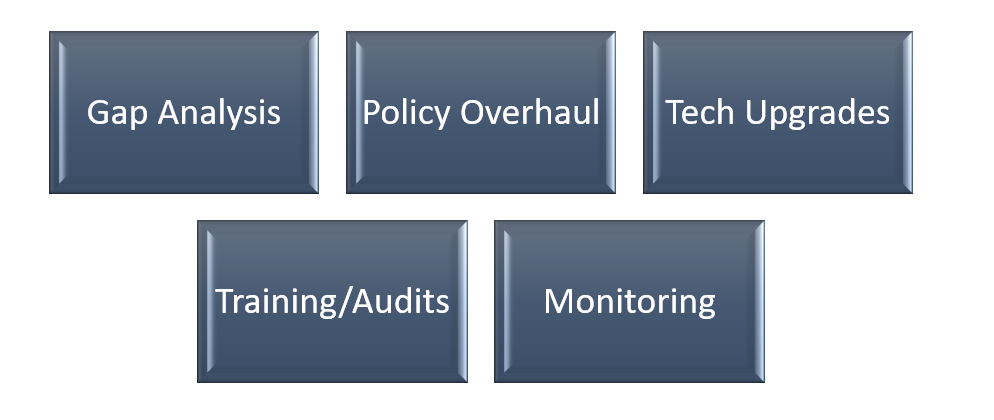
Prioritize clear, plain-language notices explaining data use and rights; implement technical deletion capabilities with communication logs. Update privacy policies for minimization and cross-border disclosures; conduct gap assessments against security controls like encryption and logs. Monitor Board notifications for restricted countries and prepare for audits, fostering a privacy-by-design culture amid India’s growing digital ecosystem.
Implications and Prospects
India is positioned as a privacy leader by the DPDP Rules 2025, which promote confidence in digital services and use risk-based obligations to enable AI and innovation. MSME expenses and kid consent verification technology are obstacles, but a phased adoption reduces risks. DPB recommendations on thresholds and audits that are in accordance with global interoperability should be released soon. Adopting immediately gives businesses a competitive edge in compliance and trust.
Conclusion
India’s shift to an enforced personal data protection framework with the DPDP Rules 2025 transforms policy pledges into a working system that upholds privacy rights, reduces digital harms, and fosters confidence in the digital economy. The framework encourages innovation and responsibility across industries by giving citizens unambiguous ownership over their data and giving corporations a workable route through progressive compliance. Proactive governance will determine success in this new era of responsible data use as companies adjust over the next 18 months.