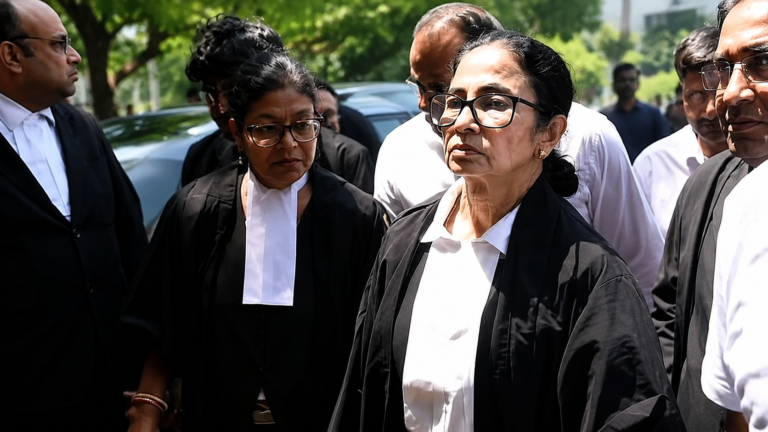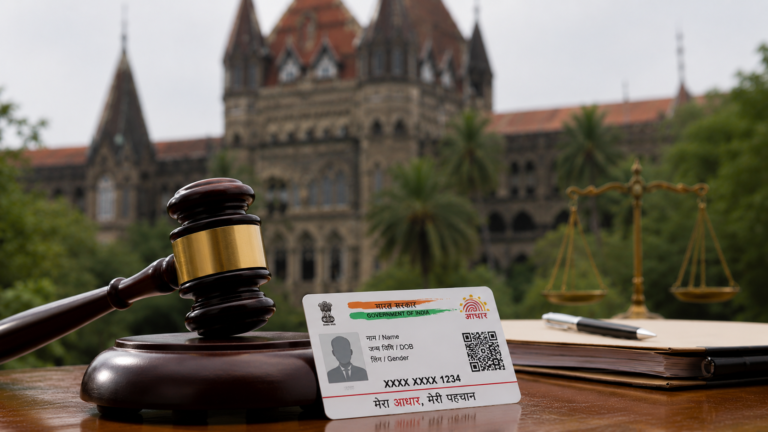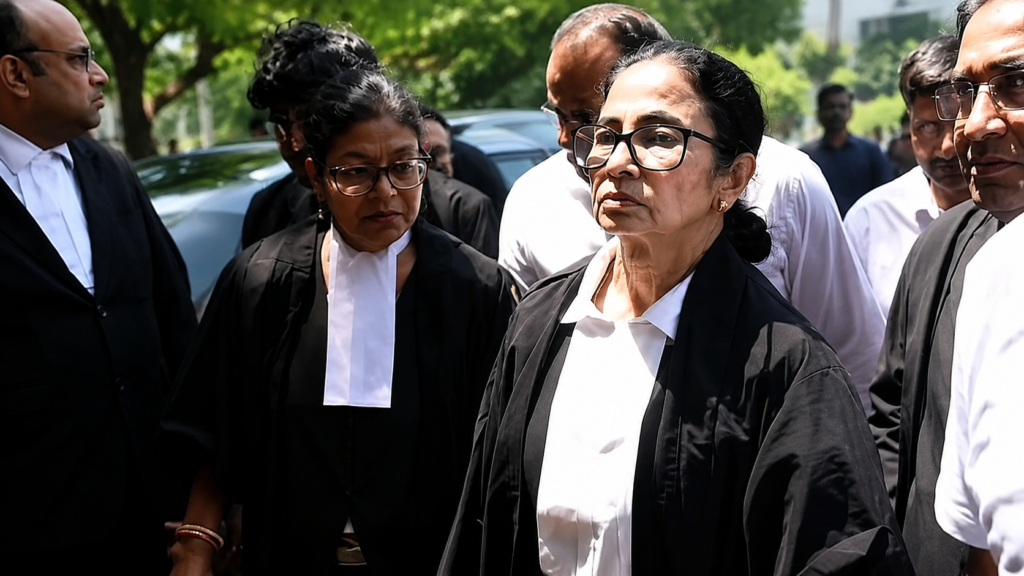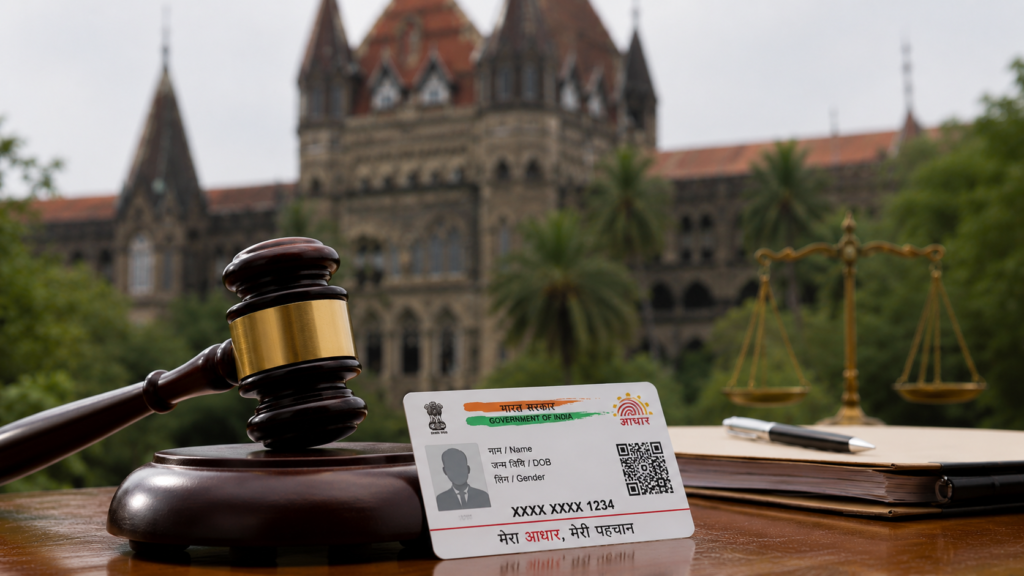

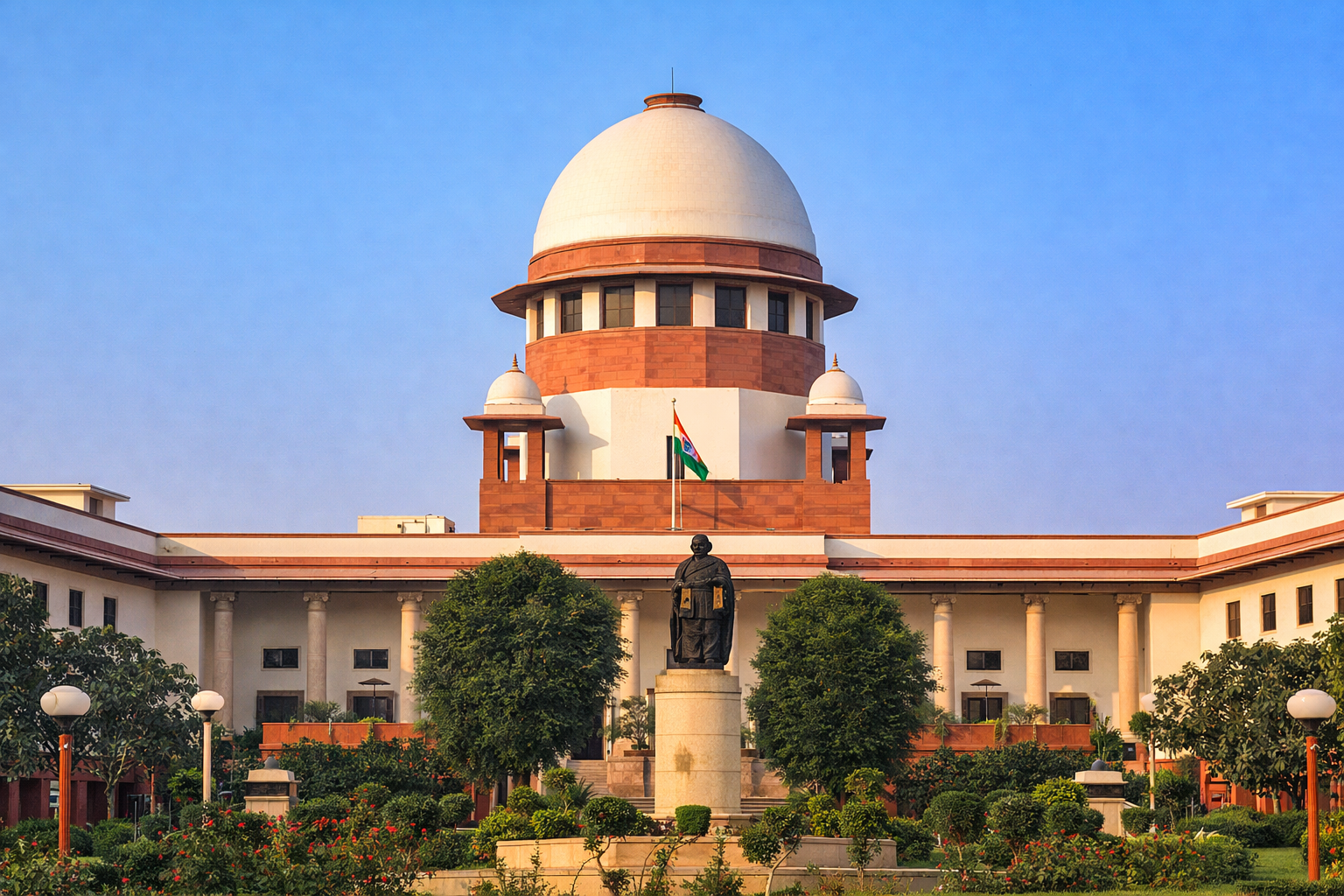
The Supreme Court of India has reaffirmed the binding nature of mediation settlements, holding that a spouse cannot withdraw from a mutual divorce agreement after consenting to a full and final resolution of matrimonial disputes. The ruling underscores the importance of honoring mediated settlements and strengthens the credibility of alternative dispute resolution mechanisms in India.
Mutual Divorce Settlement Supreme Court: Background of the Case
The judgment was delivered by a Bench comprising Justice Rajesh Bindal and Justice Vijay Bishnoi. The case arose from a matrimonial dispute in which the parties had entered into a mediation settlement to dissolve their marriage amicably and resolve all pending issues.
The couple, married in 2000, began living separately around 2022-23 due to irreconcilable differences. Subsequently, they agreed to settle their disputes through mediation and opted for divorce by mutual consent. The first motion for divorce was granted after partial compliance with the settlement terms. However, before the second motion could be completed, the wife withdrew her consent and initiated proceedings under the Protection of Women from Domestic Violence Act, 2005.
Aggrieved by this development, the husband approached the Supreme Court challenging the continuation of the proceedings.
Mutual Divorce Settlement: Key Legal Issues
The case raised important legal questions:
- Can a spouse withdraw from a mutual divorce settlement after agreeing to its terms?
- Are mediation settlements legally binding and enforceable?
- To what extent can courts intervene to prevent abuse of legal process?
Mutual Divorce Settlement: Supreme Court’s Observations
The Supreme Court emphasized that mediation plays a vital role in resolving matrimonial disputes amicably and reducing litigation. It observed that once parties voluntarily enter into a settlement, they are bound by its terms.
The Court held:
“Once the parties have entered into a settlement agreement duly authenticated by the mediator, any resilement from such terms must be dealt with strictly, and the defaulting party should be burdened with heavy costs.”
The Bench clarified that although consent for mutual divorce can ordinarily be withdrawn before the final decree, such withdrawal cannot be used to evade obligations arising from a comprehensive settlement.
Limited Grounds for Withdrawal
The Court recognized that withdrawal from a mediation settlement may be permitted only in exceptional circumstances, such as:
- Fraud or misrepresentation
- Coercion or undue influence
- Non-compliance with the settlement terms by the other party
In the absence of these factors, resiling from a mediated agreement would undermine the very foundation of the mediation process.
Domestic Violence Proceedings Quashed
The Court found that the domestic violence complaint filed by the wife was an afterthought and amounted to an abuse of the legal process. Noting that the allegations surfaced only after disputes over the settlement, the Bench quashed the proceedings.
It further observed that permitting such actions would weaken the effectiveness of mediation and discourage amicable dispute resolution.
Irretrievable Breakdown of Marriage
Recognizing that the marriage had irretrievably broken down, the Supreme Court exercised its constitutional powers to dissolve the marriage. It also directed the parties to comply with the remaining terms of the settlement.
This approach ensured finality in litigation while upholding the integrity of mediated agreements.
Legal Significance of the Judgment
This landmark ruling carries significant implications for matrimonial law and alternative dispute resolution in India:
- Strengthens Mediation: Reinforces trust in mediation as an effective dispute resolution mechanism.
- Prevents Misuse of Law: Discourages parties from reneging on settlements for strategic advantage.
- Ensures Judicial Efficiency: Promotes finality and reduces prolonged matrimonial litigation.
- Protects Settlement Sanctity: Affirms that agreements reached through mediation must be respected.
- Encourages Amicable Resolution: Supports the broader objective of reducing adversarial conflicts in family disputes.
Conclusion
The Supreme Court’s ruling marks a crucial step in safeguarding the integrity of mediation in matrimonial disputes. By holding that parties cannot withdraw from a mutual divorce settlement without valid grounds, the Court has reinforced the principles of fairness, accountability, and judicial efficiency.
The judgment sends a clear message: mediation settlements are not mere formalities but binding agreements that must be honored in both letter and spirit.