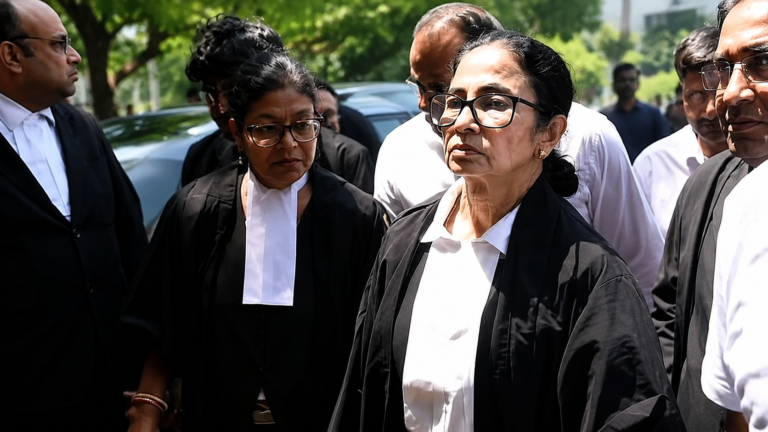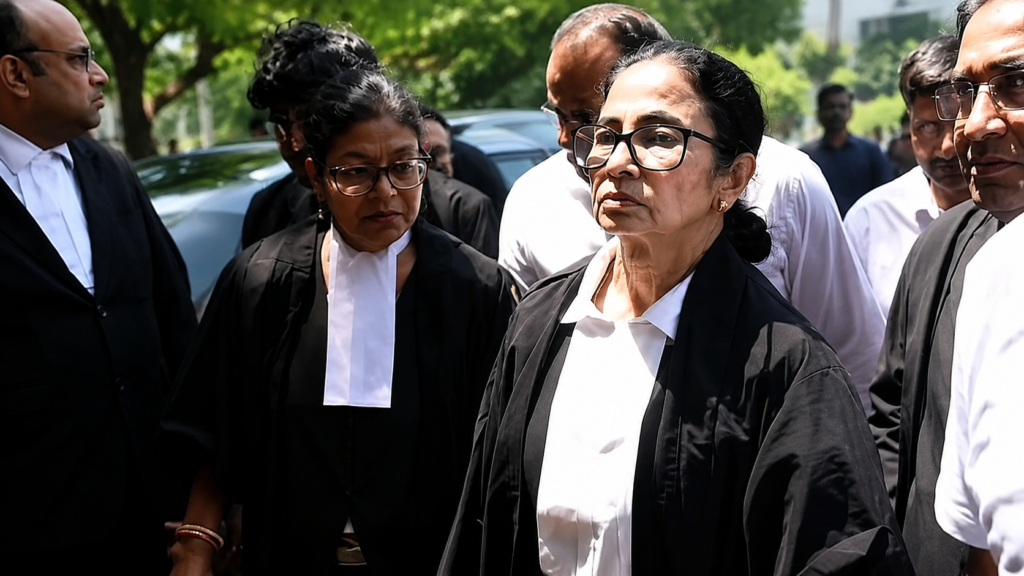

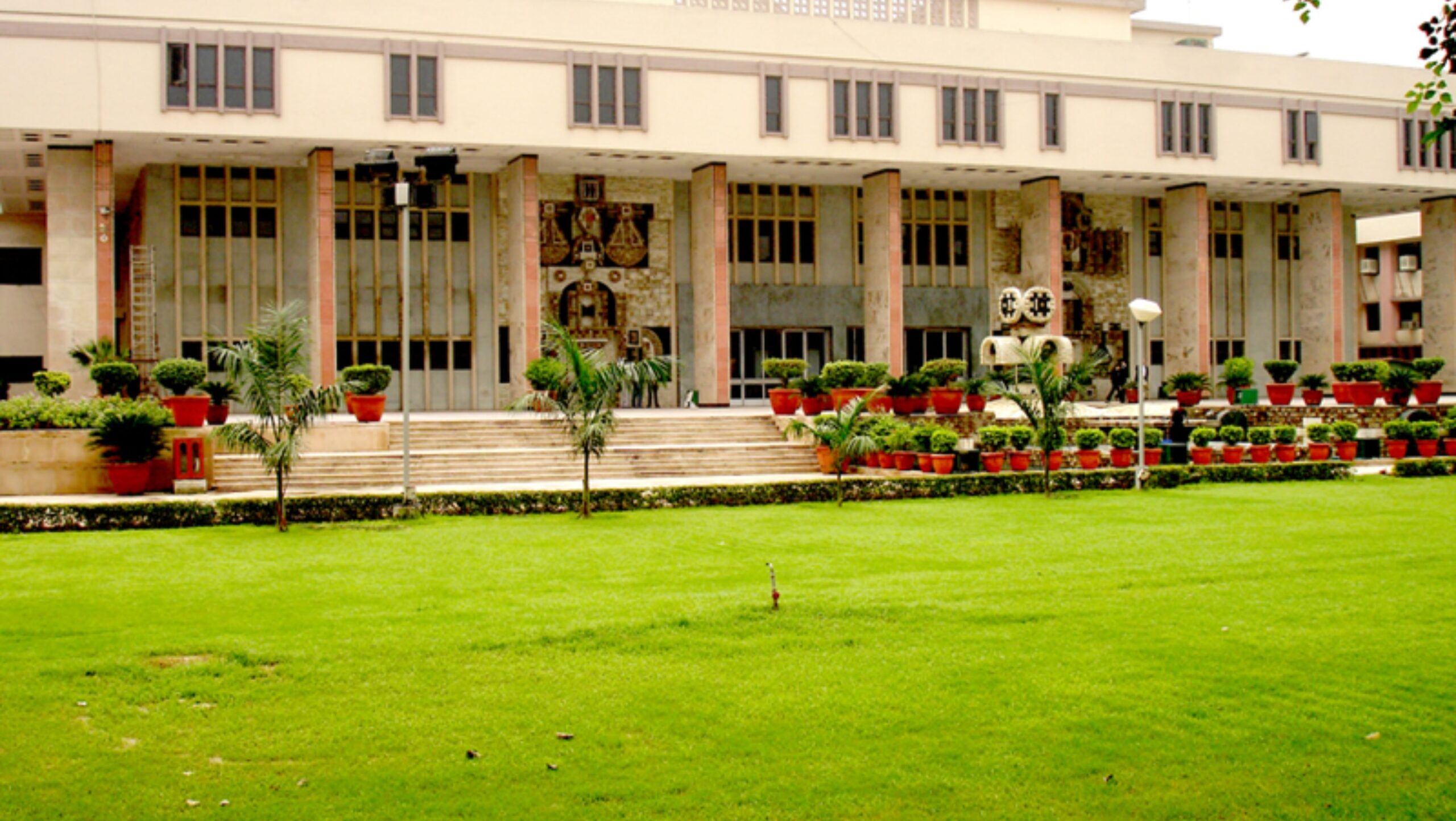
The issue of non-advocates appearing before tribunals has come under judicial scrutiny before the Delhi High Court. The Court is examining whether professionals such as Chartered Accountants (CAs), Company Secretaries (CS), Cost Accountants, and other non-enrolled individuals can legally appear and argue matters before tribunals.
This important matter raises questions about the scope of the Advocates Act, 1961 and the regulatory framework governing tribunal representation.
Background of the Case
A Division Bench comprising Justice Prathiba M. Singh and Justice Madhu Jain took note of the matter while hearing a batch of petitions, including those filed by the Bar Council of India (BCI) and the Association of Tax Lawyers.
The core issue raised before the Court is whether individuals who are not enrolled as advocates under the Advocates Act, 1961 can represent clients before tribunals and plead cases.
The Court observed that the petitions raise an important question:
Whether persons not enrolled as Advocates can appear before tribunals and plead cases on behalf of their clients — including Chartered Accountants, Company Secretaries, Cost Accountants, and others who may or may not possess an LL.B. degree.
The Legal Controversy
1️⃣ Argument by the Bar Council & Tax Lawyers
Senior Advocate Rajeev Saxena, appearing for the Association of Tax Lawyers, argued that under the Advocates Act, 1961, only advocates enrolled with a State Bar Council are entitled to practice before courts and tribunals.
Key submissions included:
- Non-advocates are appearing before tribunals under powers of attorney.
- Authorities have allegedly permitted such appearances.
- Repeated representations were made to authorities, but no corrective action was taken.
- Practicing without enrollment may attract penalties under Section 45 of the Advocates Act.
The petitioners contend that allowing non-advocates to plead before tribunals amounts to a violation of statutory provisions governing the legal profession.
2️⃣ Counter-Argument by Professional Bodies
On the other hand, it was argued that:
- Chartered Accountants, Company Secretaries, and Cost Accountants are permitted to represent clients before tribunals under statutory provisions such as Section 432 of the Companies Act, 2013.
- Relevant tribunal rules and practice directions explicitly allow authorized representatives.
Their position is that tribunal representation is distinct from traditional court practice and that specialized professionals possess subject-matter expertise relevant to tribunal proceedings.
What Did the Court Observe?
Justice Prathiba M. Singh remarked that it is settled law that non-advocates cannot appear before courts. However, the present matter concerns whether their appearance before tribunals is legally sustainable.
The Court emphasized:
“One thing is clear, it cannot be unregulated. The issue is very simple; whether non-lawyers can appear before tribunals. As far as courts are concerned, everyone is clear, you have to come with an advocate.”
This observation indicates that while court representation is strictly reserved for advocates, the position regarding tribunals requires clarity and possibly regulatory structuring.
Why This Case Matters
This issue is not merely procedural – it impacts:
🔹 The Legal Profession
If tribunals are considered part of the “practice of law,” exclusive rights may remain with enrolled advocates.
🔹 Professional Bodies (CAs, CSs, CMAs)
A restriction could significantly affect their representation rights before bodies like NCLT, tax tribunals, and other quasi-judicial forums.
🔹 Clients & Businesses
Companies often prefer specialized professionals for technical matters. A ruling restricting appearances may alter how representation strategies are structured.
🔹 Regulatory Framework
The case may lead to:
Structured regulation of tribunal practice templates to ensure alignment with the Arbitration and Conciliation Act, 1996 and evolving judicial precedents.
Clearer statutory amendments
Harmonization between the Advocates Act and sectoral laws
The Broader Legal Question
At the heart of the dispute lies a constitutional and statutory balancing act:
- Does tribunal representation amount to “practice of law”?
- Can Parliament, through specific legislation, carve out exceptions?
- Should representation be exclusive to advocates, or can regulated professionals also argue cases?
The Court will need to reconcile the Advocates Act with provisions of other statutes that appear to permit non-advocates to act as authorized representatives.
What Happens Next?
The matter is scheduled for further hearing on March 16. The ruling could redefine the contours of professional representation before tribunals across India.
Conclusion
The Delhi High Court’s decision will shape the future of tribunal advocacy in India. Whether representation before tribunals remains exclusive to enrolled advocates or continues to allow specialized professionals under statutory frameworks is now under judicial scrutiny.
The outcome will not only impact legal practitioners and professional bodies but also influence how justice is accessed and delivered in India’s tribunal system.